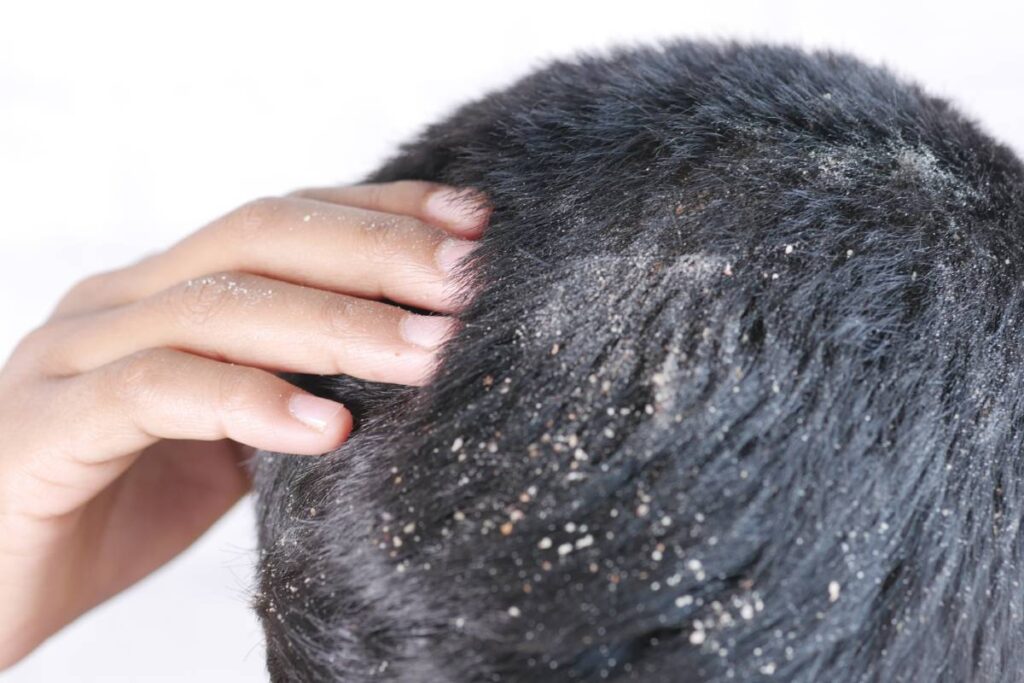
Dandruff is a common scalp condition that causes flaky, white skin flakes to appear on the scalp and hair. While it can be a year-round issue for some people, many notice that their dandruff worsens during the winter or cold seasons.
This seasonal increase in dandruff severity is linked to a variety of factors, including changes in temperature, humidity, and personal hair care routines. Understanding why dandruff is more severe in winter can help manage and prevent its effects effectively.
Causes of Severe Dandruff in Winter
1. Dry Air and Lack of Humidity
One of the primary reasons dandruff worsens in winter is the lack of moisture in the air. Cold weather is typically accompanied by lower humidity levels, which leads to dryness of the scalp. This dryness causes the skin to flake more than usual, making dandruff more prominent. Indoor heating further exacerbates this problem by reducing moisture in the air, leading to an excessively dry scalp.
2. Frequent Use of Hot Showers
During winter, many people tend to take hot showers to stay warm. However, hot water can strip the scalp of its natural oils, leading to excessive dryness and irritation. When the scalp becomes dry, the body reacts by shedding dead skin cells at a faster rate, increasing dandruff production.
3. Overuse of Hair Products
In cold weather, people often use styling products like gels, sprays, and mousses to maintain their hairstyle. These products can build up on the scalp and contribute to dandruff by clogging hair follicles and trapping dead skin cells. Additionally, some hair products contain alcohol and harsh chemicals that can dry out the scalp, making dandruff worse.
4. Less Frequent Hair Washing
Many people reduce the frequency of hair washing in winter because washing hair too often in cold weather can be uncomfortable. However, not washing the hair regularly can lead to the accumulation of dead skin cells, oil, and product buildup, creating an ideal environment for dandruff-causing fungi like Malassezia to thrive.
5. Weakened Scalp Barrier
The skin’s protective barrier becomes weaker during winter due to harsh environmental conditions. When the scalp’s barrier is compromised, it becomes more prone to irritation and inflammation. This can lead to an increase in flaking and itchiness, making dandruff more noticeable and severe.
6. Wearing Hats and Scarves
Winter hats, scarves, and hoodies can trap heat and moisture against the scalp, creating an environment where dandruff-causing fungi can thrive. Additionally, wearing hats for extended periods can lead to sweat buildup, further contributing to dandruff issues.
7. Dietary Changes
Many people change their diet during winter, consuming more processed and fatty foods while reducing their intake of fresh fruits and vegetables. A poor diet lacking essential nutrients like vitamin B, zinc, and omega-3 fatty acids can contribute to scalp dryness and exacerbate dandruff.
How to Manage and Prevent Winter Dandruff
1. Use a Moisturizing Shampoo
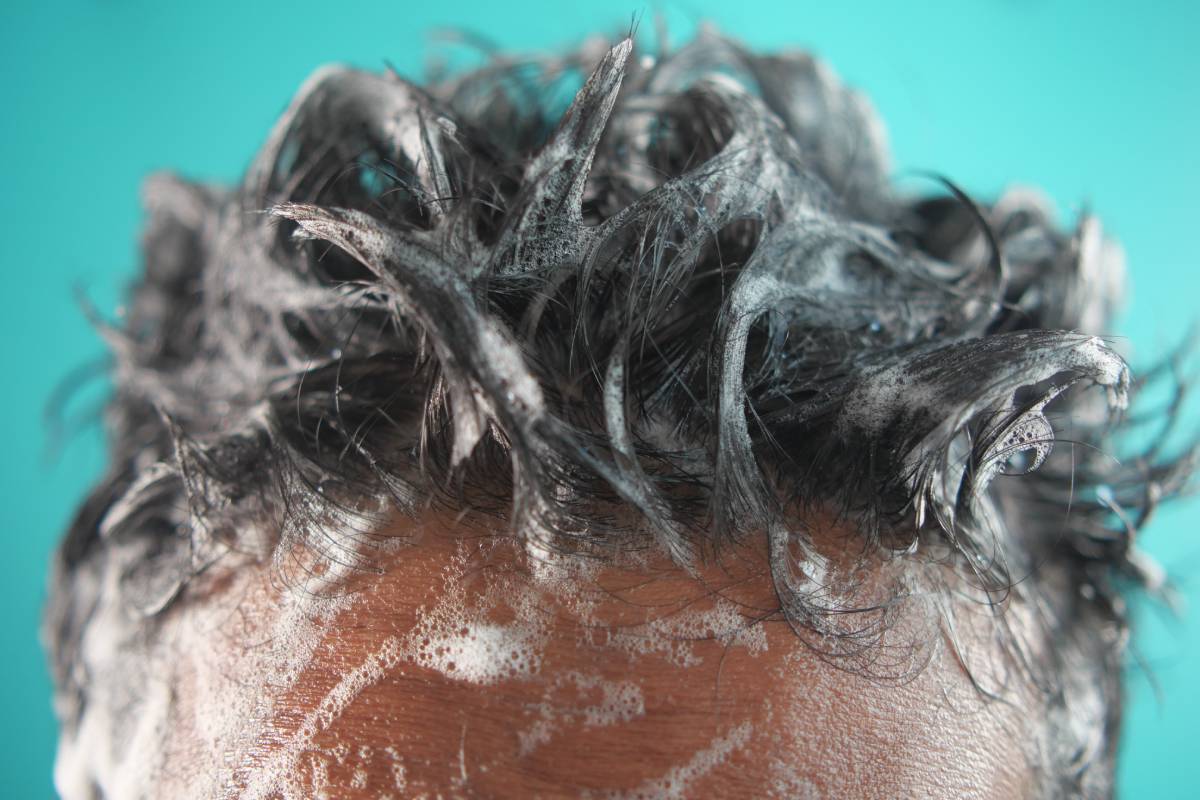
Switching to a gentle, moisturizing anti-dandruff shampoo can help prevent scalp dryness and flaking. Look for shampoos containing ingredients like pyrithione zinc, ketoconazole, or salicylic acid to control dandruff while keeping the scalp hydrated.
2. Avoid Hot Showers
Opt for lukewarm water instead of hot water when washing your hair. This helps maintain the natural oils on the scalp and prevents excessive dryness.
3. Increase Hydration
Drinking plenty of water helps keep the skin, including the scalp, hydrated from within. A well-hydrated body leads to a healthier scalp and less dandruff.
4. Use a Humidifier
Adding a humidifier to your home can help counteract the effects of dry indoor air. This can prevent excessive scalp dryness and reduce dandruff severity.
5. Wash Hair Regularly
Even though it’s cold outside, maintaining a regular hair-washing routine is important to prevent product buildup and excess oil accumulation. Washing your hair at least twice a week with a mild anti-dandruff shampoo can help keep dandruff under control.
6. Limit the Use of Styling Products
Reduce the use of hair styling products that contain harsh chemicals and alcohol, as these can further dry out the scalp and aggravate dandruff.
7. Massage the Scalp with Oil
Using natural oils like coconut oil, tea tree oil, or olive oil can help keep the scalp moisturized. Massaging the scalp with warm oil before washing your hair can improve circulation and reduce flakiness.
8. Follow a Nutrient-Rich Diet
Eating foods rich in vitamins, minerals, and healthy fats can improve scalp health. Include more omega-3 fatty acids (found in fish, nuts, and seeds), zinc (found in dairy and nuts), and vitamin B-rich foods (found in whole grains and leafy greens) in your diet.
9. Avoid Wearing Hats for Prolonged Periods
If you wear hats or scarves, ensure they are made of breathable materials like cotton or wool to prevent excessive heat and moisture buildup on the scalp.
Conclusion
Winter and cold weather conditions can make dandruff more severe due to dry air, hot showers, poor scalp hygiene, and other lifestyle factors. However, by adopting a few simple changes in hair care, diet, and lifestyle, you can effectively manage and prevent dandruff from worsening during the colder months.
Keeping the scalp moisturized, washing hair regularly, using anti-dandruff shampoos, and maintaining a healthy diet are key steps in keeping dandruff under control throughout the winter season.