Gardening doesn’t always need to start with back-breaking digging, heavy tools, or endless hours pulling out weeds. For those who want to create fertile and productive garden beds with less effort, lasagna gardening—also called “sheet composting”—is a game-changing method.
This no-dig approach naturally suppresses weeds while building nutrient-rich soil by layering cardboard, newspaper, and organic materials like grass clippings, leaves, and compost. Over time, the layers break down into dark, fertile humus that supports thriving plants without the need for tilling or turning the soil.
This technique is not only effective but also sustainable, as it makes use of garden waste, food scraps, and recyclable materials that would otherwise be discarded. For beginners and seasoned gardeners alike, lasagna gardening is a low-maintenance, eco-friendly way to turn an ordinary patch of grass into a flourishing vegetable garden or flower bed.
A Personal Story: How It All Began
Many gardeners can relate to learning techniques from family traditions. I remember watching my mother start her first vegetable garden at my grandparents’ house. She didn’t have access to expensive equipment or endless energy for digging. Instead, she began by laying sheets of cardboard directly over the lawn where she wanted the garden to be.
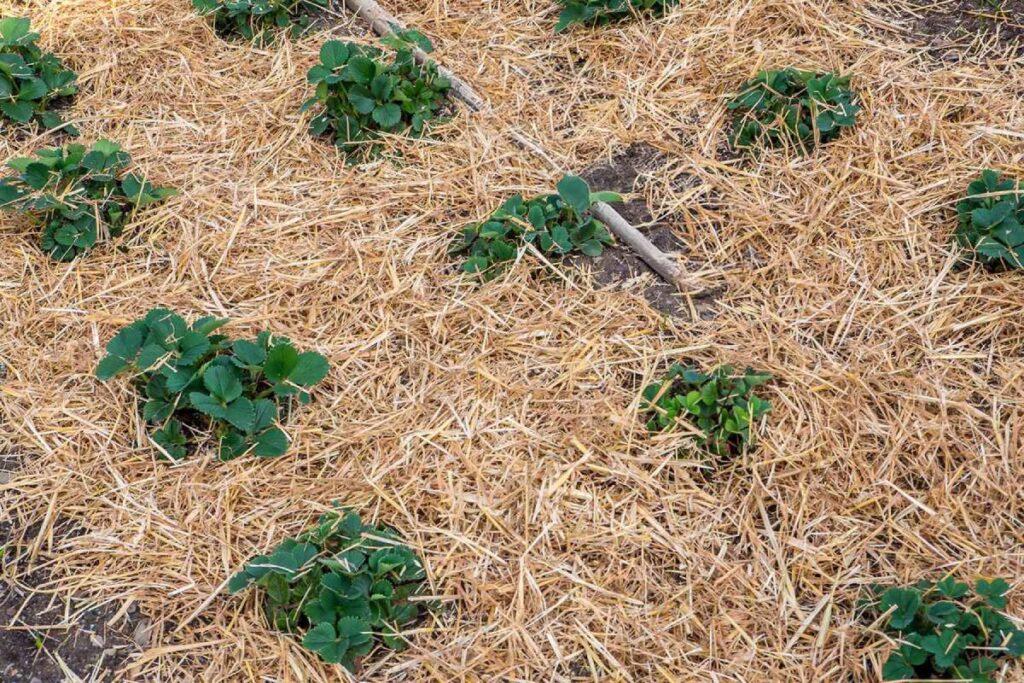
Next, she covered the cardboard with mulch, fallen leaves, and leftover composted soil. She even framed the new garden bed with wooden logs, marking the area neatly. At the time, she didn’t know this technique had a name, but what she created was a perfect example of lasagna gardening.
That memory highlights the beauty of this method: it’s simple, cost-effective, and anyone can do it with basic household or garden materials.
Why No-Dig Gardening Works
Traditional gardening often involves turning or tilling the soil to loosen it up and remove weeds. While effective in the short term, tilling can disrupt soil ecosystems, harm beneficial organisms, and expose the soil to erosion.
Lasagna gardening eliminates the need for digging. By layering carbon-rich “brown” materials with nitrogen-rich “green” materials, you create a natural compost pile directly in the garden bed. As these layers decompose, they improve soil fertility, aeration, and moisture retention, while simultaneously smothering weeds below.
This method is a win-win: it saves your body from strain and fosters a healthier soil environment for long-term plant growth.
Benefits of Lasagna Gardening
- Weed Suppression
The cardboard or newspaper base acts as a barrier, blocking sunlight and preventing weeds from sprouting. - Improved Soil Fertility
As the organic matter decomposes, it enriches the soil with nutrients essential for plant growth. - Moisture Retention
Layered organic materials help the soil retain water, reducing the need for frequent watering. - Eco-Friendly
Instead of discarding garden waste, kitchen scraps, or lawn clippings, you recycle them directly into your garden. - Less Physical Labour
No digging, no tilling, and minimal weeding. Perfect for gardeners of all ages. - Versatility
You can build a lasagna garden virtually anywhere—over grass, weeds, or even compacted soil.
Materials You’ll Need
Creating a lasagna garden doesn’t require fancy tools. Most materials can be sourced from around your home or garden.
- Cardboard or Newspaper: Acts as the base layer to suppress weeds. Remove any tape or glossy print.
- Brown Organic Materials (Carbon-rich): Leaves, straw, shredded branches, sawdust, or mulch.
- Green Organic Materials (Nitrogen-rich): Grass clippings, vegetable scraps, compost, or coffee grounds.
- Water: Moisture helps the decomposition process.
- Optional Top Layer of Soil or Compost: If you want to plant immediately.
Step-by-Step Guide to Lasagna Gardening
- Choose a Location
Find a sunny spot with flat or gently sloping ground. Mow any tall grass before starting. - Outline the Bed
Plan your bed size and shape. Logs, rocks, or wooden frames can be used to mark the boundary. - Lay the Base Layer
Spread overlapping sheets of cardboard or newspaper directly on the ground. This step blocks out weeds and grass. - Add a Brown Layer
Spread shredded leaves, straw, or mulch on top. This adds carbon and structure to your bed. - Add a Green Layer
Pile on fresh grass clippings, compost, or kitchen scraps. These supply nitrogen to feed decomposers. - Alternate Layers
Continue alternating brown and green materials until the bed is 12–18 inches high. - Water Each Layer
Lightly moisten as you build. Water helps materials break down faster. - Optional: Top with Soil
If you want to plant right away, add 2–3 inches of compost or garden soil on top. Otherwise, allow the bed to break down naturally for several months.
Timing: When to Build a Lasagna Garden
The best time to build a lasagna garden is in autumn, when leaves and garden debris are abundant. By spring, the bed will have decomposed into rich soil, ready for planting.
If you’re short on time, you can also build in spring. In this case, adding a top layer of compost or soil allows you to plant immediately while the layers below continue breaking down.
Tips for Success
- Balance Your Layers: Aim for roughly equal amounts of green and brown material for effective decomposition.
- Keep It Moist: Too dry, and decomposition slows. Too wet, and you risk rot. Aim for a damp sponge consistency.
- Avoid Meat or Dairy: These attract pests and slow decomposition. Stick to plant-based materials.
- Patience Pays Off: The longer the bed sits before planting, the richer the soil becomes.
- Start Small: If you’re new, try building a single raised bed before expanding to your whole garden.
What Can You Grow in a Lasagna Garden?
Lasagna gardens are versatile and suitable for nearly all plants. Here are some great choices:
- Vegetables: Tomatoes, carrots, beans, lettuce, and zucchini.
- Herbs: Basil, parsley, thyme, and mint.
- Flowers: Marigolds, sunflowers, and zinnias.
Root crops like carrots and beets particularly thrive in the loose, nutrient-rich soil produced by this method.
Lasagna Gardening vs. Traditional Gardening
| Feature | Lasagna Gardening | Traditional Gardening |
|---|---|---|
| Digging/Tilling Required | No | Yes |
| Weed Suppression | High (due to base layer) | Moderate |
| Soil Fertility | Improves naturally | Often needs fertiliser |
| Labour | Minimal | High |
| Sustainability | Recycles waste | Often adds inputs |
Clearly, lasagna gardening offers a more sustainable and less strenuous alternative, especially for those who want long-term results without the heavy workload.
How Turf and Lawns Fit In
One common question is what to do if your garden space is currently covered in lawn. The beauty of lasagna gardening is that you don’t need to remove the turf—you simply cover it with cardboard or newspaper and build your layers on top. The grass underneath will die and decompose, adding organic matter to the soil.
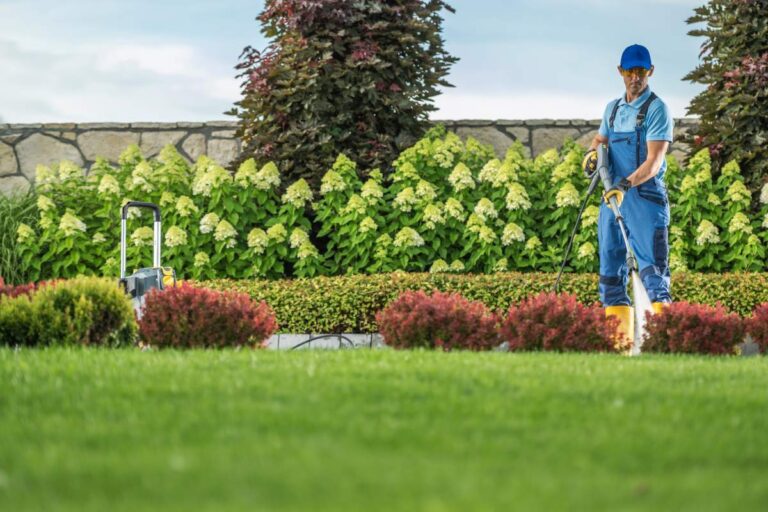
This is where companies like A View Turf, known for supplying premium quality turf in Australia, can also come into the picture. Many homeowners choose to establish lush green lawns alongside their garden beds. By combining a healthy turf area with lasagna gardening beds, you can enjoy the best of both worlds: beautiful outdoor spaces for recreation and highly productive garden beds for food or flowers.
Common Mistakes to Avoid
- Using Glossy Paper – Coated paper doesn’t decompose properly and can block roots.
- Skipping Layers – A balance of green and brown is essential for healthy decomposition.
- Overwatering – Too much water can cause anaerobic (smelly) conditions.
- Expecting Instant Results – It takes time for layers to break down into rich soil.
Final Thoughts
Lasagna gardening is proof that gardening doesn’t have to be complicated, expensive, or physically demanding. With just cardboard, garden waste, and a little patience, you can transform an ordinary patch of lawn into a fertile bed bursting with life.
This no-dig method not only saves time and effort but also enriches the soil naturally, reduces waste, and promotes sustainable gardening practices. Whether you’re a beginner starting your first vegetable patch or an experienced gardener looking to expand, lasagna gardening offers a rewarding, eco-friendly path to success.
And if you’re working on creating a harmonious backyard space, you don’t have to choose between a lush green lawn and productive garden beds. With turf options from providers like A View Turf and the no-dig magic of lasagna gardening, you can enjoy a beautiful and bountiful yard—truly the best of both worlds.