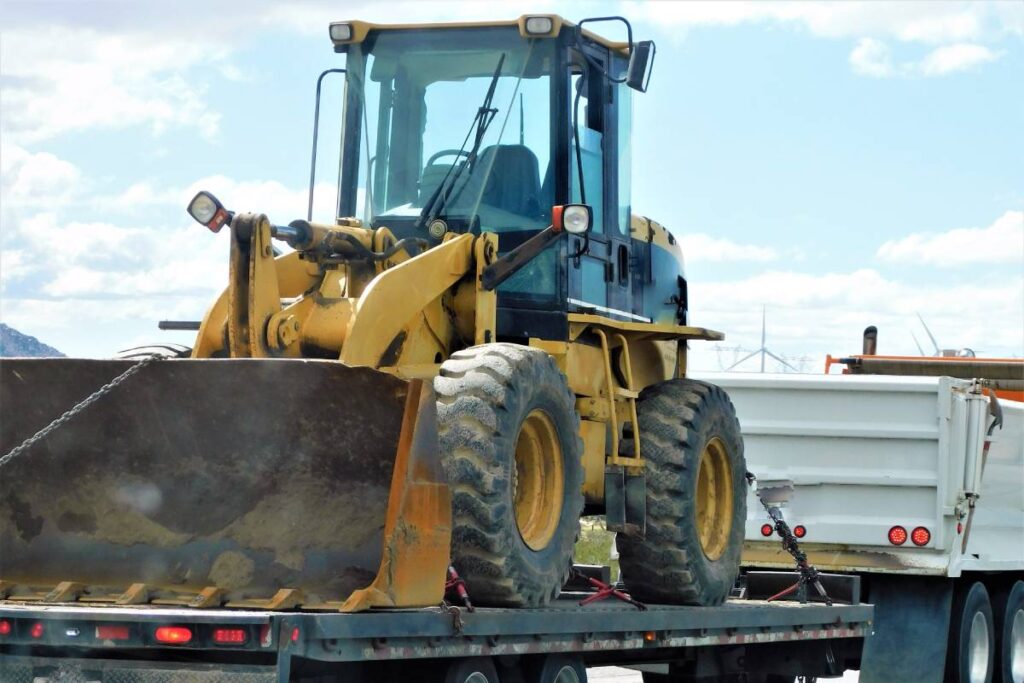
Backhoes are essential machinery in construction and agriculture, used for tasks like digging trenches and lifting heavy materials.
Transporting a backhoe, whether locally or internationally, presents challenges due to its size and weight. One common question is whether it can fit in a standard shipping container.
In addition to transport, operating a backhoe requires skill and training to handle the machinery with precision. Whether moving a backhoe or learning to operate one, understanding the logistics of backhoe transport and operation is key for successful project execution.
Can a Backhoe Fit in a Container?
Backhoes are essential heavy equipment used in a variety of construction projects, from digging trenches to lifting and transporting materials.
However, when it comes to shipping or relocating a backhoe, one common question arises: can a backhoe fit in a container? This article explores whether a backhoe can fit in a standard shipping container, how to transport a backhoe, and the time it takes to learn how to operate one.
Can a Backhoe Fit in a Container?
A standard shipping container, commonly known as a 20-foot or 40-foot container, is primarily designed to hold goods like raw materials, electronics, or consumer products.
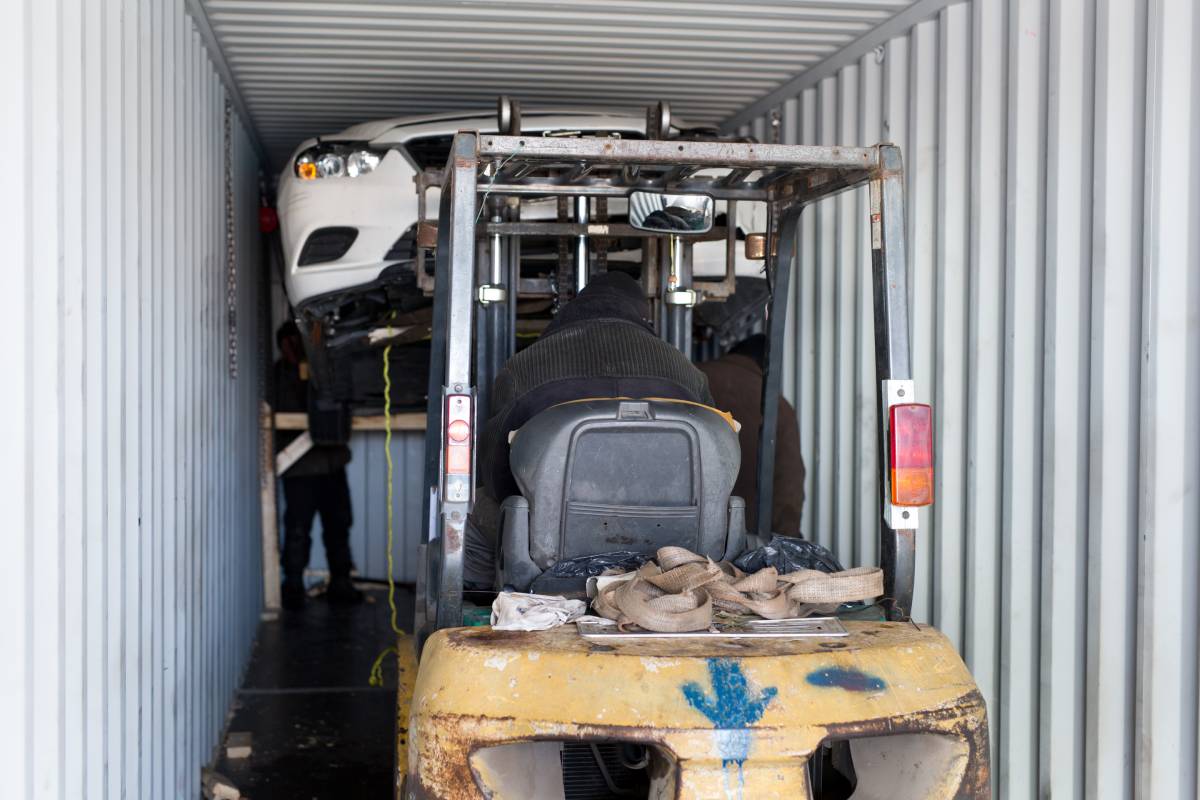
However, when it comes to transporting heavy machinery like backhoes, fitting them inside a shipping container presents a significant challenge. The dimensions of a backhoe especially its size, height, and width typically exceed the internal dimensions of standard containers.
Dimensions of a Standard Shipping Container:
- 20-foot container: 19.4 feet (5.9 meters) long, 7.8 feet (2.3 meters) wide, and 7.9 feet (2.4 meters) high.
- 40-foot container: 39.5 feet (12 meters) long, 7.8 feet (2.3 meters) wide, and 7.9 feet (2.4 meters) high.
Backhoe Dimensions:
- Length: A backhoe generally measures around 18 to 22 feet (5.5 to 6.7 meters) in length, though this can vary depending on the model.
- Width: The width of a backhoe is typically about 7 to 8 feet (2.1 to 2.4 meters), which is near the maximum internal width of a 20-foot container.
- Height: The height of a backhoe can be over 9 feet (2.7 meters), which exceeds the height of a standard shipping container.
Given the dimensions of both a standard backhoe and a shipping container, it’s clear that a backhoe cannot typically fit inside a 20-foot or 40-foot container.
The equipment is too wide and tall to be enclosed in the standard dimensions of a container. However, there are alternatives for transporting backhoes internationally and over long distances.
How Do You Transport a Backhoe?
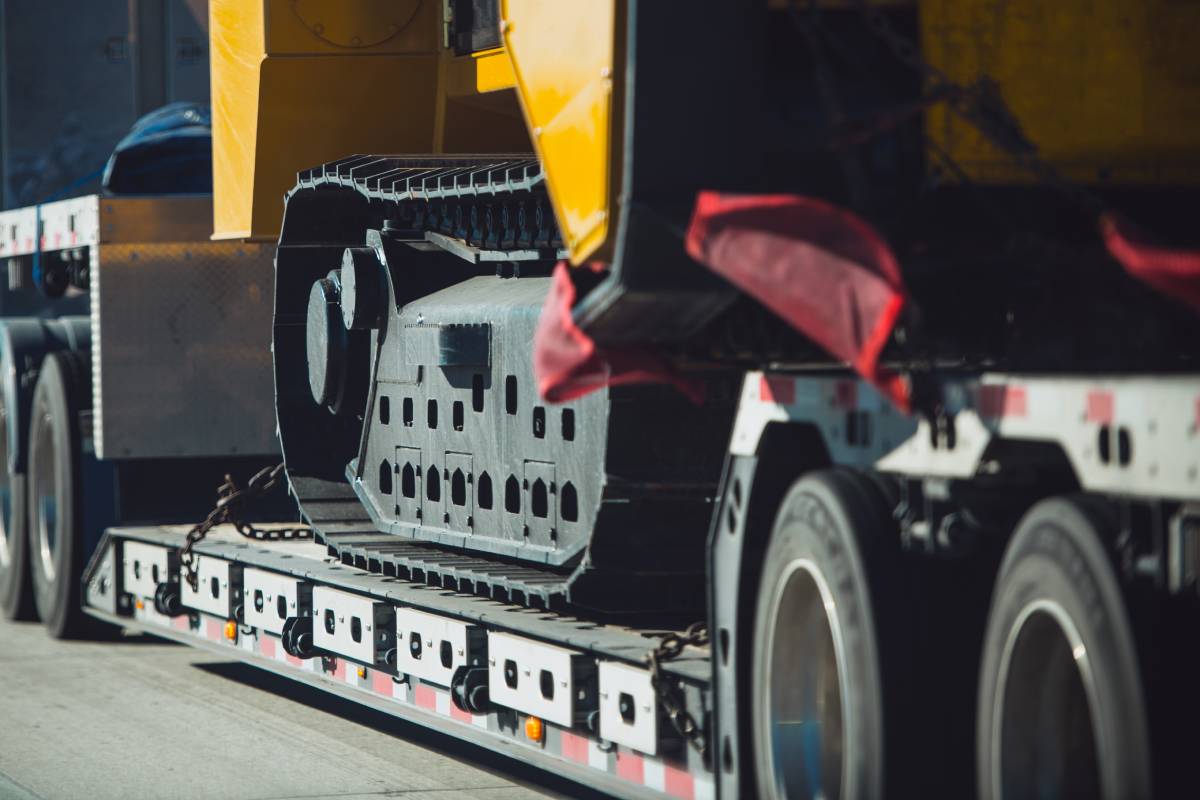
Since a backhoe cannot fit in a standard shipping container, transporting a backhoe requires specialized equipment and techniques.
There are several methods used to transport a backhoe, depending on the distance, terrain, and specific requirements of the job.
a) Flatbed Trucks
Flatbed trucks are commonly used to transport backhoes, as they can carry oversized equipment. Backhoes are loaded using cranes, ramps, or winches and secured with heavy-duty straps and chains. These trucks are ideal for short to medium-distance transport, often seen on highways, and are especially useful for delivering equipment to construction sites.
b) Lowboy Trailers
For larger backhoes, lowboy trailers are ideal due to their lower deck height, allowing taller machinery to be transported without exceeding height limits.
They are particularly useful for long-distance transport and unstable terrain. Equipped with specialized axles, lowboy trailers safely carry heavy loads, and backhoes are secured with straps and chains for stability.
c) Shipping via RoRo (Roll-on/Roll-off)
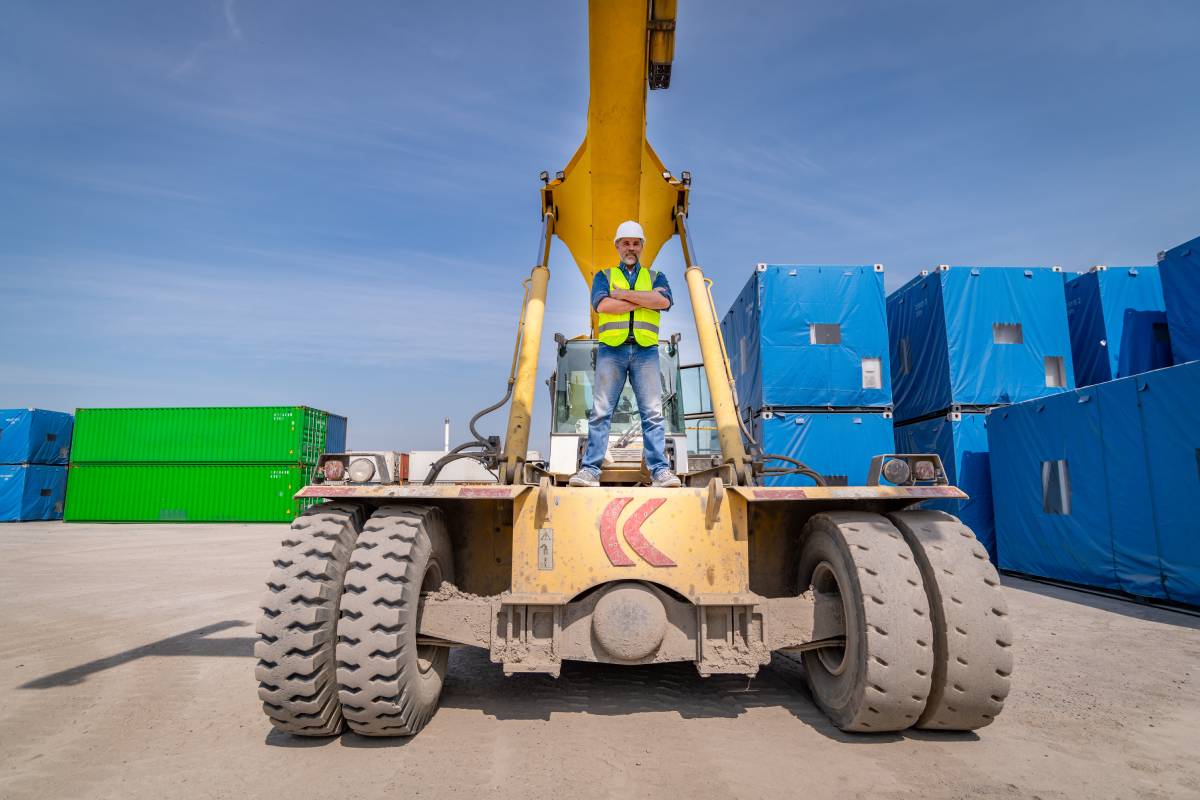
For international transport, backhoes are commonly shipped using Roll-on/Roll-off (RoRo) vessels. This method allows backhoes to be driven onto the ship, secured for the journey, and then driven off at the destination port. From there, they are placed onto a flatbed truck or lowboy trailer for further transport.
d) Shipping in a Custom Container
While a standard shipping container might not be large enough to accommodate a backhoe, custom containers designed specifically for heavy machinery can be used.
These containers are built with reinforced structures and dimensions tailored to house large equipment like backhoes.
Although this method can be more expensive and time-consuming, it may be necessary for certain types of transport where other methods are not feasible.
How Long Does it Take to Learn How to Operate a Backhoe?
Learning to operate a backhoe involves mastering the skills necessary to handle the machinery efficiently and safely. The amount of time it takes to learn how to operate a backhoe depends on various factors, including the learner’s prior experience with heavy machinery, the complexity of the backhoe model, and the level of training provided.
a) Basic Training
For individuals with no prior experience in operating heavy machinery, learning to operate a backhoe generally takes a few weeks to a couple of months.
During this time, the learner will need to become familiar with the machine’s controls, functionality, and safety protocols.
Basic training includes learning how to operate the backhoe’s digging arm, loader, and stabilizers, as well as how to perform basic tasks like digging trenches, lifting materials, and moving debris.
b) Hands-on Experience
Hands-on experience is essential for mastering backhoe operation. Operators start with smaller tasks in controlled environments and gradually move to more complex tasks like working on uneven terrain and digging deep trenches. On average, it takes 40 to 80 hours of practice to become proficient, with more time spent improving comfort and control over the machine.
c) Advanced Training
For operators looking to specialize in certain aspects of backhoe operation, such as working on complex construction projects or managing large-scale excavation tasks, advanced training may be necessary. This training could take additional weeks or months, depending on the scope of the work.
Some operators may also seek certification from organizations like the National Center for Construction Education and Research (NCCER) or other recognized training programs to improve their qualifications.
4. What Can Haul a Backhoe?
Various vehicles, such as flatbed trucks, lowboy trailers, and RoRo ships, are used to haul backhoes depending on the distance and size.
Heavy-duty trucks with specialized trailers are common for overland transport, while RoRo vessels are preferred for international shipping. Cranes may also be used to load or unload backhoes, particularly at construction sites.
Professional Services for Backhoe Transport
Professional transport companies ensure the safe, legal, and timely delivery of backhoes by providing expert handling, ensuring compliance with regulations, and offering international shipping expertise.
Additionally, motocross equipment can also be transported with the same care, requiring professional services for safe and timely delivery.
For heavy haulage between Darwin, heavy-duty trucks and specialized trailers ensure that large machinery, including backhoes and motocross equipment, are transported safely and within legal limits.
In short, relying on professional transport services ensures the smooth and efficient movement of heavy machinery and equipment.
Key Benefits of Using Professional Services:
- Expert Handling: Professional services have the experience and equipment necessary to safely load, secure, and transport backhoes, reducing the risk of damage.
- Compliance with Regulations: Transporting large equipment often involves strict regulations regarding weight limits, height restrictions, and permits. Professional service providers are well-versed in these requirements.
- Timely Delivery: Professional transport companies can provide accurate timelines for delivery, ensuring that construction schedules and project timelines are adhered to.
- International Shipping Expertise: For global transportation, professional services can handle the complexities of international shipping, including customs documentation, port handling, and overseas logistics.
Conclusion
Transporting a backhoe is a complex process that involves careful planning and the right equipment. While backhoes cannot typically fit inside standard shipping containers, they can be transported using flatbed trucks, lowboy trailers, and RoRo ships.
Operators must undergo training and hands-on practice to master backhoe operation, which typically takes anywhere from a few weeks to a few months. Regardless of the transport method or the learning curve, backhoes remain essential tools in the construction industry, and their safe transport and operation are crucial for the success of any project.