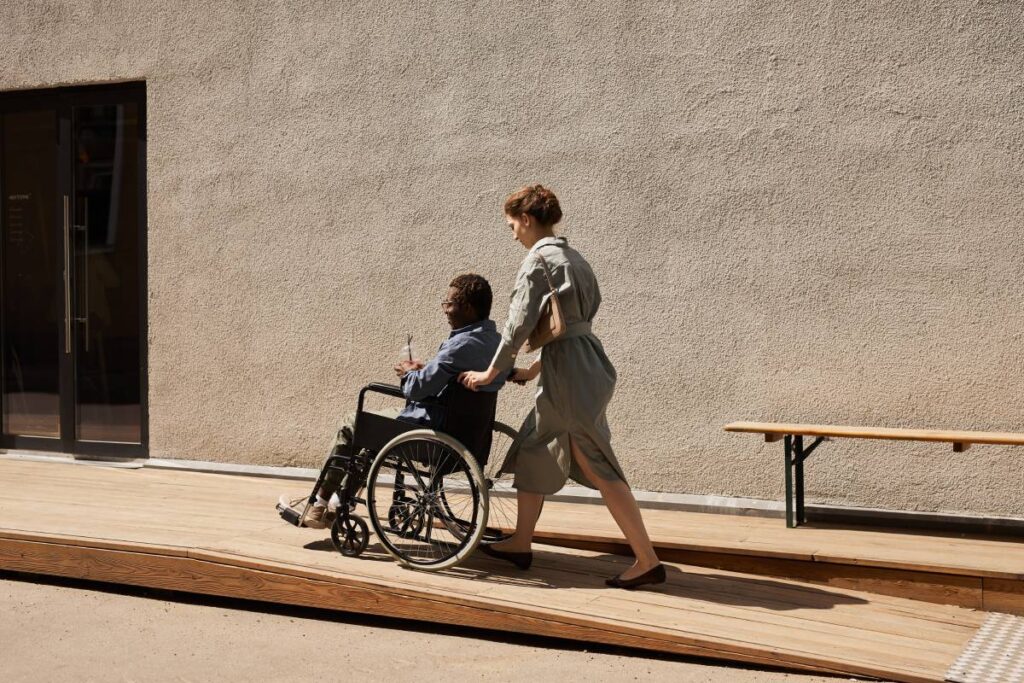
Building a wheelchair ramp is a crucial step in ensuring accessibility for individuals with mobility challenges. It’s not only a practical solution but also a way to promote inclusivity and independence.
If you’re considering constructing a wheelchair ramp, one of the first questions that may come to mind is, “How much does it cost?” The answer depends on various factors, including materials, design, labour, and the specific needs of the user.
This article delves into the factors affecting the cost of building a wheelchair ramp, provides cost estimates, and offers tips for budgeting effectively.
Factors Influencing the Cost of a Wheelchair Ramp
1. Materials
The choice of materials significantly affects the overall cost. Common materials used for wheelchair ramps include:
- Wood: Often the most affordable option, wood ramps are popular for residential use. They require regular maintenance to prevent rotting, warping, or insect damage.
- Aluminium: Lightweight and durable, aluminium ramps are more expensive than wood but require less maintenance.
- Concrete: Extremely durable and long-lasting, concrete ramps are ideal for permanent installations. However, they come with a higher upfront cost.
- Steel: Known for its strength, steel is a good option for commercial settings but tends to be heavy and expensive.
- Composite Materials: These offer the look of wood with the durability of synthetic materials, but they are among the more expensive choices.
2. Ramp Size and Slope
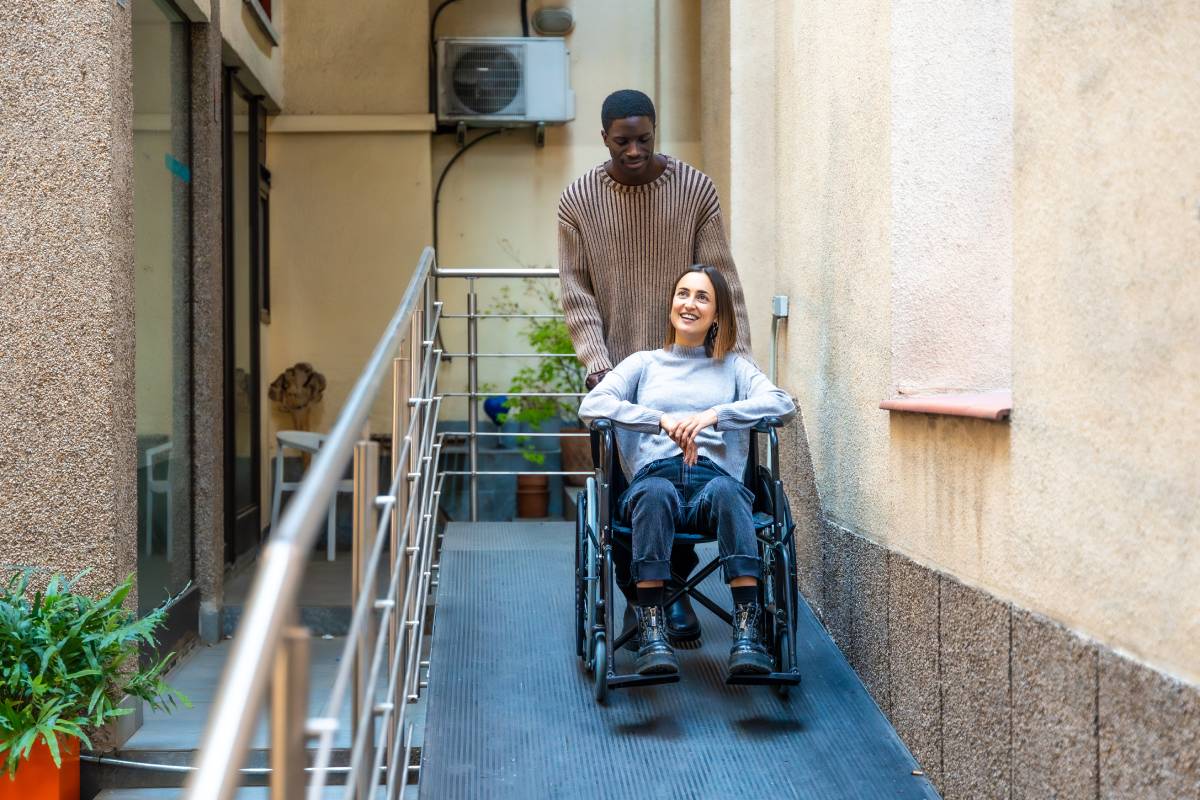
The size and slope of the ramp play a critical role in determining the cost. The standard recommendation is a slope ratio of 1:12, meaning one inch of rise requires at least one foot of ramp. For example, a 24-inch rise would need a 24-foot ramp. A longer ramp requires more materials and labour, increasing the cost.
3. Labour Costs
If you hire professionals to build the ramp, labour costs will vary depending on your location, the complexity of the project, and the contractor’s rates. In Australia, labour costs typically range between AUD 50 to AUD 100 per hour.
4. Custom Features
Additional features like handrails, non-slip surfaces, or custom designs can increase the cost. For instance, handrails are often mandatory for safety and can add several hundred dollars to the project.
5. Permits and Regulations
Depending on your location, you may need permits to build a wheelchair ramp. Compliance with local building codes and the Australian Standards for Access and Mobility (AS 1428) can also influence costs.
6. DIY vs. Professional Installation
Opting for a DIY approach can save on labour costs, but it requires time, skills, and tools. Mistakes in construction can lead to safety hazards or additional expenses for corrections.
Cost Estimates for Building a Wheelchair Ramp
Wooden Ramps
- Material Cost: AUD 50 to AUD 150 per metre.
- Labour Cost: AUD 500 to AUD 2,000, depending on complexity.
- Total Cost: AUD 1,000 to AUD 4,000 for a 6-metre ramp.
Aluminium Ramps
- Material Cost: AUD 150 to AUD 300 per metre.
- Labour Cost: AUD 750 to AUD 2,500.
- Total Cost: AUD 2,000 to AUD 6,000 for a 6-metre ramp.
Concrete Ramps
- Material Cost: AUD 200 to AUD 400 per metre.
- Labour Cost: AUD 1,000 to AUD 4,000.
- Total Cost: AUD 3,000 to AUD 10,000 for a 6-metre ramp.
Steel Ramps
- Material Cost: AUD 250 to AUD 500 per metre.
- Labour Cost: AUD 1,500 to AUD 5,000.
- Total Cost: AUD 4,000 to AUD 12,000 for a 6-metre ramp.
Portable Ramps
- Cost: AUD 200 to AUD 1,500. Portable ramps are a temporary and cost-effective solution, especially for short-term use.
Tips for Budgeting
- Get Multiple Quotes: Request quotes from at least three contractors to compare prices and services.
- Choose the Right Material: Balance upfront costs with long-term maintenance expenses.
- Plan for Permits: Check local regulations and factor permit costs into your budget.
- Consider Pre-Fabricated Options: Pre-fabricated ramps can be a cost-effective and time-saving option.
- Seek Financial Assistance: Look into grants, subsidies, or programs like the National Disability Insurance Scheme (NDIS) in Australia, which may cover part or all of the costs.
Conclusion
The cost of building a wheelchair ramp varies based on factors like materials, size, labour, and additional features. On average, you can expect to spend between AUD 1,000 and AUD 12,000 for a permanent ramp, depending on your choices. While the investment might seem significant, the benefits of accessibility and independence for individuals with mobility challenges are invaluable.
Whether you choose a DIY approach or hire professionals, careful planning and budgeting are essential to ensure your ramp meets safety standards and serves its purpose effectively. If you’re unsure where to start, consider consulting with an accessibility expert or contractor to guide you through the process. By doing so, you’ll create a safe, durable, and cost-effective solution for improving accessibility in your space.